



Updated for the New 2025 Illinois Probate Laws
Losing a loved one is difficult enough without the added stress of legal and financial responsibilities. For families in Illinois, settling an estate often involves a formal court procedure known as the Illinois probate process. While this court supervision ensures assets are distributed correctly, it can be confusing, time-consuming, and expensive—particularly when the estate includes a major asset like inherited real estate.
This comprehensive guide breaks down the Illinois probate process step-by-step, highlights the critical factors that affect the timeline, and details your options for handling an inherited property, allowing you to move from hold to sold efficiently.
Is Probate Required in Illinois? TheNew $150,000 Threshold
Probate is the court-supervised legal process of validating a will (if one exists), inventorying assets, paying off debts and taxes, and finally distributing the remaining assets to the legal heirs or beneficiaries.

The 2025 Legal Update: Small Estate Affidavit Changes
As of August 15, 2025, Illinois law (755 ILCS 5/25-1) has significantly changed. The threshold to avoid formal probate has increased to help more families avoid court—provided there is no real estate involved.
| Before Aug 15th, 2025 | After Aug 15th, 2025 | |
| Small Estate Limit | $100,000 | $150,000 |
| Vehicle Exclusin | Counted toward limit | Excluded (Do not count vehicle value) |
| Real Estate Included | No | No (No change) |
When Formal Probate is Mandatory
In Illinois, formal probate is typically required if the decedent owned assets solely in their name that meet one of two criteria:
Real Estate Solely in the Decedent’s Name: If the decedent owned real property (a house, land, or commercial property) solely in their name, or as a tenant-in-common, that does not automatically transfer via joint tenancy or a Transfer on Death Instrument (TODI).
Total Asset Value Exceeds $150,000: If the combined value of the deceased’s probate-eligible assets (excluding assets held in trusts, joint tenancy, or with named beneficiaries) is greater than $150,000. Under the 2025 law, the value of vehicles is no longer included in this total.
The Small Estate Alternative
If the estate is valued at $150,000 or less AND does not include real estate solely in the decedent’s name, heirs may be able to utilize the Illinois Small Estate Affidavit (SEA).
The SEA is a time-saving solution that allows you to bypass the formal probate court. However, it is essential to remember this exclusion: The Small Estate Affidavit cannot be used to transfer real estate. If a home is involved, formal court-supervised probate is almost always necessary to legally transfer the title before the property can be sold or transferred.
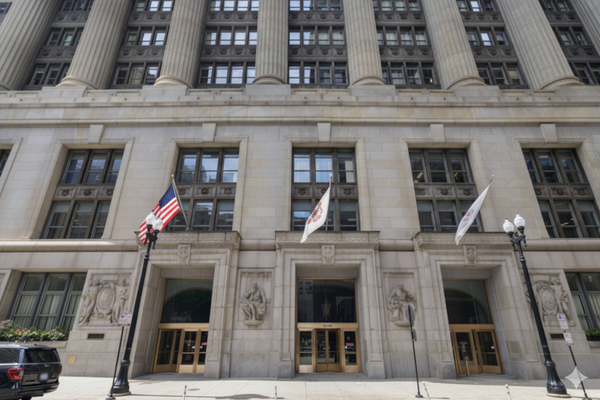
Illinois Probate Process Timeline: Step-by-Step
For a simple, uncontested estate in Illinois, the Illinois probate process typically takes 6 to 12 months. For estates facing complexity, debt disputes, or contested wills, the timeline can stretch to 18 to 24 months or more.
The primary factor dictating this minimum duration is the mandatory 6-month creditor claim period set by Illinois law (see Step 2).
1. Filing the Petition & Appointing the Fiduciary (1 to 4 Months)
The Illinois probate process starts when an executor (if a will exists) or a family member files a petition with the Circuit Court in the county where the deceased resided (Cook, DuPage, Lake, etc.). The court validates the will and officially issues Letters of Office, appointing the fiduciary responsible for the estate:
- Administrator: Named by the court when the decedent did not leave a will (receives “Letters of Administration”)
- Executor: The person named in the decedent’s will to oversee the administration of the estate.
2. Notifying Heirs and Creditors (The Mandatory 6-Month Period)
Once appointed, the fiduciary must formally notify all heirs and potential creditors. This notification ensures that creditors have at least six months from the date notice is published to submit claims for unpaid debts. This six-month window is the minimum time required for almost every probate case in Illinois, even the simplest ones.

3. Identifying and Valuing All Estate Assets
The fiduciary must thoroughly locate, document, and appraise all assets, creating a detailed Inventory for the court. Assets include bank accounts, investments, personal property, and any real estate. For real property, a broker price opinion or professional appraisal is often required to establish the Fair Market Value (FMV) at the time of death.
4. Paying Debts, Taxes, and Estate Expenses
Before beneficiaries receive their inheritance, the fiduciary must settle all valid claims. This includes funeral expenses, outstanding medical bills, mortgages, property taxes, administration costs (attorney fees, appraisal fees), and any required state or federal estate taxes.
5. How Selling Inherited Property Affects the Probate Process
Selling a home is often the single biggest source of delay in the Illinois probate process. Your authority to sell depends on the type of administration the court grants:
- Independent Administration: The executor can list and sell the property without seeking specific court approval for every step. This is the fastest path to a sale.
- Supervised Administration: The judge must approve the listing price and the final sales contract. This can add weeks or months of court hearings to the timeline.
“Title Lock”: A property’s title is effectively frozen until the court validates the representative’s authority to sign. Common issues like Cook County tax liens or heir disagreements often push a 6-month probate into a year-long ordeal.
6. Resolving Disputes (The Major Delay Risk)
If family members contest the validity of the will, disagree over asset distribution, or challenge the fiduciary’s actions, probate can stall. Legal battles can add months or years to the timeline, dramatically increasing legal costs.
7. Final Accounting, Distribution, and Closing the Estate
Once all debts are paid and the property is sold (if applicable), the fiduciary files a Final Accounting with the court. After court approval, the remaining assets are officially distributed to the beneficiaries according to the will or state law, and the court officially closes the estate.
Your Options for Selling an Inherited House in Illinois
The decision on how to sell an inherited property is crucial to the efficiency of the Illinois probate process. Your authority to sell depends on whether the court granted Independent Administration (less court oversight) or Supervised Administration (requiring court approval for most major actions, including sales).
Our team specializes in helping executors and administrators successfully navigate selling real estate while going through Illinois probate. We help you choose the right path for your estate’s financial needs:
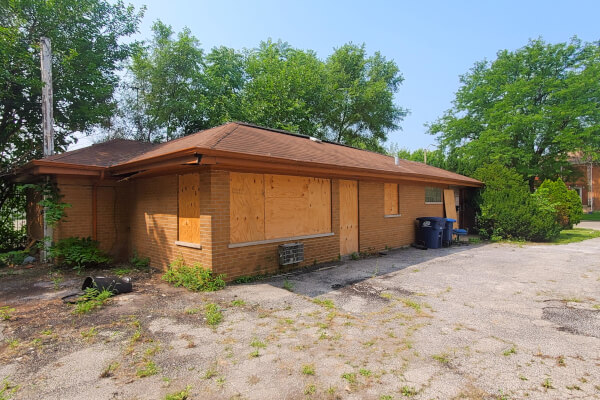
Fast Cash Sale
If the estate is facing immediate debt obligations, the property is in poor condition, or the beneficiaries require a fast settlement.
- Goal: Speed and Convenience
- Process: We can facilitate a quick, cash offer from our vetted network of trusted investors.
- Benefits: Close in 7-21 days, skip all repairs, no cleanout, quick way to turn the house into cash for the estate.
Maximized Market Sale
Best for estates that are financially stable, inherited properties in decent condition, or heirs prioritizing the highest possible profit.
- Goal: Highest possible net profit.
- Process: We help you list and sell the property quick on the open market
- Benefits: Close in 30-45 days, attract competitive market offers and maximize the sales price

Don’t Delay, Take Action Today!
Don’t let the house become your biggest source of stress or delay in the probate process. We’ll help you determine the best path forward. Whether you prefer a Fast Cash Sale or a Maximized Market Sale, find out how much your inherited house could sell for.
Local Illinois Probate Court Resources
Navigating probate is easier when you have the right forms for your specific county. Below are the official links to the probate divisions and forms for the Chicagoland area:
Cook County (Chicago & Suburbs)
- Court Location: Richard J. Daley Center, 50 W. Washington St., 18th Floor, Chicago, IL 60602.
- Official Resource: Cook County Probate Division
- Common Forms: Probate Court Forms Hub (Search for “Probate” to find petitions, oaths, and bonds).
DuPage County (Wheaton)
- Court Location: 505 N. County Farm Rd., Wheaton, IL 60187.
- Official Resource: DuPage County Probate & Guardianship
- Common Forms: DuPage Probate Forms Download (Access standard petitions and accounting reports).
Lake County (Waukegan)
- Court Location: 18 N. County St., Waukegan, IL 60085.
- Official Resource: Lake County Probate Court
- Self-Help: Lake County Probate Handbook (PDF)
Statewide Simplified Tools
- Small Estate Affidavit: If the estate is under $150,000 (as of the 2025 update) and contains no real estate, you may be able to use the Illinois Small Estate Affidavit Easy Form.
- E-Filing Information: Most Illinois probate filings must be done electronically via eFileIL.
Final Thoughts: Expertise Makes the Difference
Successfully navigating the Illinois probate process requires careful attention to legal requirements, court deadlines, and, crucially, the prompt and profitable disposition of any real property.
Don’t let the inherited house become your biggest source of stress or delay. As specialists in probate real estate across Illinois, we provide expert guidance to ensure the property sale meets all court requirements while achieving the best financial outcome for the heirs.