

What to Know About Selling Your Parents’ House After Death in Illinois
Losing a parent can leave you with difficult decisions you never expected to make. If you are currently navigating selling your parent’s house after death in Illinois, figuring out what happens to the real estate adds another layer of emotional, legal, and logistical uncertainty.
You may be wondering whether the house has to go through probate, who has the legal authority to sign a sales contract, what to do with your parent’s belongings, and whether you need to make repairs before placing the property on the market.

What Happens to a House When a Parent Dies?
There isn’t one single answer for every family. What happens to the property depends first on how your parent held ownership and who holds the legal authority to handle the estate. Once that foundation is clear, you can confidently decide how to manage, market, and sell the property.
CRITICAL FIRST STEPS
3 Costly Mistakes to Avoid
While determining legal ownership and probate requirements takes time, there are immediate physical risks to the home that require your attention during the first few days. Before deciding what to do with the house or making long-term plans, protect the estate’s value by avoiding three common early mistakes:

- Do NOT Disconnect Utilities: Keep gas, electric, and water service active. Shutting off heat or power during an Illinois winter or summer can cause frozen or burst pipes, rapid mold growth, or sump pump failures—leading to tens of thousands of dollars in uninsured property damage.
- Do NOT Let Homeowners Insurance Lapse: Standard homeowner policies often drop coverage or deny claims if a property sits vacant for more than 30 to 60 days. Contact the insurance carrier immediately, keep premiums current, and request a Vacant Home Endorsement to ensure continuous coverage.
- Secure the Property Immediately: Change exterior door locks, secure all windows and garage doors, forward physical mail to prevent identity theft, and set interior light timers to deter break-ins or uninvited occupants. Keep in mind that former caregivers, neighbors, service providers, or distant acquaintances may still hold spare keys to the home.
Once the property is secure and protected, the very first legal question you must answer is who actually holds the right to sign contracts and transfer title.
Who Can Sell a Parent’s House After Death in Illinois?
Being the child or named heir of a deceased parent does not automatically give you the legal authority to sign a listing agreement or sell the property. The person who can sell the house depends on how your parent held title and, when probate is involved, who has been given authority to act for the estate.

Can You Sell a Parent’s House Without Probate?
In Illinois, certain ownership structures allow real estate to transfer immediately to heirs without court involvement:
- Transfer on Death Instrument (TODI): If your parent executed and recorded a valid Illinois Transfer on Death Instrument prior to their passing, ownership automatically transfers to the designated beneficiaries upon death. The beneficiary can proceed to list and sell the home once a certified death certificate and required acceptance documentation are recorded with the county recorder (e.g., Cook, DuPage, Lake, Will, McHenry, or Kane County).
- Property Held in a Revocable Living Trust: If the property was deeded into a trust, the named Successor Trustee holds immediate legal authority to control, list, and sell the home according to the terms of the trust agreement, completely avoiding probate court.

Can You Sell a Parent’s House During Probate in Illinois?
If your parent owned the house strictly in their individual name with no designated beneficiary or trust, the home becomes part of the probate estate. In this scenario, no one can sell the property until the court officially appoints an estate representative:
- Letters of Office: Whether there is a valid will (naming an Executor) or no will (requiring an Administrator), the court must issue formal legal documentation called Letters of Office. This document is the legal key in Illinois that empowers the representative to sign listing contracts, negotiate with buyers, and execute deeds on behalf of the estate.
- Independent vs. Supervised Administration: Most probate real estate sales in Illinois operate under Independent Administration, allowing the estate representative to sell the property on the open market without seeking prior court approval for every step. If the estate is under Supervised Administration or if there are contested claims, court approval may be required before finalizing the contract or closing.
- Small Estate Affidavit Limitations: While Illinois allows personal property under $150,000 to transfer via a Small Estate Affidavit, this affidavit cannot be used to transfer or sell real estate. Illinois real estate held individually must be handled through formal probate, a TODI, or a trust.

Going through probate does not necessarily mean the house has to sit empty until the entire probate case is finished. Real estate can be sold while the probate case is still open, provided the personal representative has the required authority and the sale follows any applicable probate requirements.
The executor or administrator should confirm the requirements with the probate attorney handling the estate. Depending on the circumstances, additional court approval may be required before the sale can be completed.
For more information, see our guide for Selling a house during probate in Illinois.
What Should You Do With Your Parents’ Belongings Before Selling the House?
This is one of the most common challenges families face after a parent dies.
You may need to go through years of personal belongings, furniture, paperwork, clothing, and other items before the house can be sold. If several family members are involved, deciding what happens to everything can take time.
There is no need to rush into a complete cleanout before deciding what to do with the property.
Start by giving family members an opportunity to identify anything they want to keep. Depending on what remains, an estate sale, donation, or professional cleanout may make sense.

If you live out of state or other family members cannot be there regularly, coordinating the cleanout can become even more difficult. Having someone local manage the property can save you from making repeated trips to Illinois.
Do You Have to Repair Your Parents’ House Before Selling It?
No. You do not automatically have to repair or renovate your parents’ house before selling it.
The right approach depends on the property’s condition, its market value, the cost of the work, and what buyers are likely to pay after the improvements are completed.
Sometimes cleaning up the property and making a few targeted light repairs can improve the sale. In most cases, spending a large amount of money on renovations can not be justified. Before deciding, compare the cost of preparing the house with the potential benefit of doing the work.
Can You Sell Your Parents’ House As-Is?
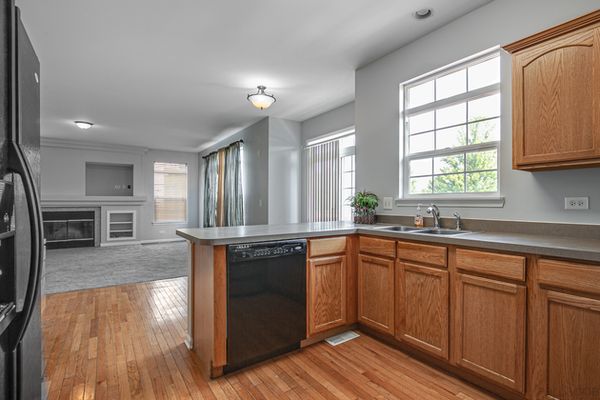
Yes. An inherited house can often be sold as-is, in its current condition.
Selling as-is does not necessarily mean accepting a low offer from a cash investor. The property can still be listed on the MLS and marketed to buyers who are willing to purchase it in its current condition.
About 90% of our listings are sold as-is. We help families evaluate the property’s condition and potential market value so they can decide whether making repairs makes sense or whether selling the property as-is is the better option.
Can You Sell Your Parents’ House in Illinois If You Live Out of State?
You do not have to live in Illinois to sell your parents’ house here.
If you live in another state, the biggest challenge is usually finding someone who can handle the property locally. Someone may need to check on the house, coordinate a cleanout, meet contractors, arrange inspections, prepare the property for sale, and manage showings.
The sale itself can often be managed remotely. Your real estate agent, attorney, title company, and other professionals can coordinate the local work while you review documents and make decisions from wherever you live.
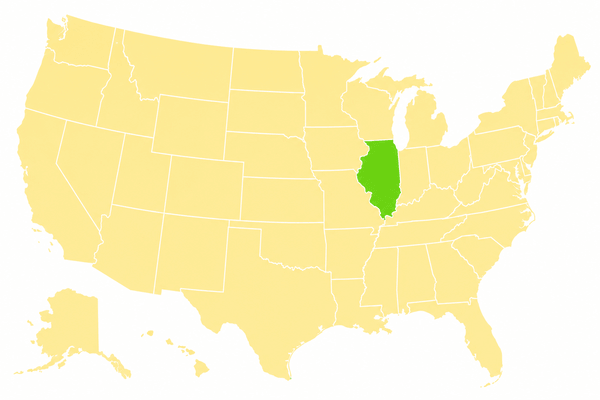
If you inherited a house in Illinois but live out of state, you can read our article about selling an inherited house in Illinois from out of state.
Do All Siblings Have to Agree to Sell a Parent’s House in Illinois?
Family dynamics and sibling disagreements are among the most common hurdles when handling an inherited parent’s home. Legally, whether every sibling must sign off on the sale depends entirely on who holds legal title or authority.

When One Sibling Has Authority to Sell
If the court appoints one sibling as the Executor or Administrator under Independent Administration, that person generally has the authority to manage and sell the real estate on behalf of the estate.
Likewise, if one sibling is the named Successor Trustee, that person generally has authority to manage the property according to the trust.
That does not mean the other heirs have no rights or interests in the property. A personal representative has duties to the estate and its beneficiaries. The estate attorney should explain how those duties apply to the particular situation.
When Siblings Inherit the House Together
If a parent’s house passes directly to multiple siblings, the situation can be different.
For example, if a TODI names three children as equal beneficiaries, those children may become co-owners of the property. In that case, all co-owners generally need to participate in the sale and sign the documents needed to transfer clear title.
If one sibling wants to keep the house while others want to sell, the family may also consider a buyout based on the property’s value. When co-owners cannot reach an agreement, the attorney handling the estate can explain the legal options available.
How Can You Get Help Selling Your Parents’ House After Death?
While your attorney handles the legal side of the estate, working with a Certified Probate Real Estate Specialist (CPRES) can provide an objective, neutral perspective when families are making difficult decisions about the property.

We help heirs understand the home’s value and condition, compare the potential financial outcome of selling as-is versus making improvements, and provide transparent net sheet projections. We can also coordinate practical needs such as securing the property, estate cleanout, and other local work.
Having an objective third party provide clear, data-backed information can help siblings and other heirs agree on a practical path forward without unnecessary conflict or costly court proceedings.
Real Examples of Selling Parents’ Houses After Death in Illinois
Every family’s situation after losing a parent is unique. Some houses need to be cleared of decades of personal belongings, while others require navigating cash investor offers versus open-market value. Here are two real examples of how we helped Illinois heirs sell their parent’s homes with clarity and peace of mind.
Inherited Home in Elmhurst, IL Sold for $46,000 More Than Cash Investor Offers
The Situation: After losing their parent, siblings inherited a house in Elmhurst that needed significant updating. Believing that selling as-is meant their only option was a fast cash buyer, they received multiple lowball offers from real estate investors.
The Strategy: Rather than taking a discounted cash offer or spending tens of thousands on pre-sale renovations, we positioned the home on the open MLS targeted specifically to local custom builders and buyers looking for land or major renovation projects in DuPage County.
The Outcome: The siblings sold the property completely as-is on the open market for $46,000 more than the highest off-market cash investor offer they had received.
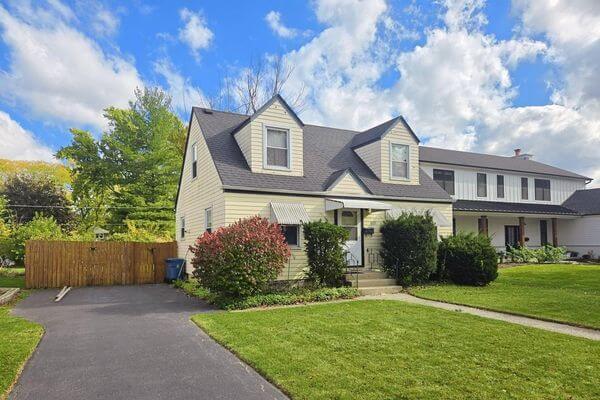
Inherited Home in Wood Dale, IL Sold for $21,000 Over Asking in 7 Days
The Situation: A two-story home in Wood Dale sat in probate for nearly five years following a parent’s death, accumulating years of carrying costs and filled with a lifetime of family belongings. Another agent advised the administrator to commit to an expensive, time-consuming renovation.
The Strategy: We provided a realistic as-is valuation and implemented our structured “Keep, Donate, Dispose” cleanout framework. We fronted the costs for the full estate cleanout and targeted minor cosmetic repairs (paint, light fixtures, outlets) out of pocket, so the estate didn’t need liquid funds up front.
The Outcome: Listed as a retail as-is sale on the open MLS, the home went under contract in just 7 days and sold to an owner-occupant buyer for $21,000 over asking price.
Frequently Asked Questions About Selling Your Parents’ House After Death

Find answers to common questions about selling a parent’s house after death in Illinois.
Can I sell my parents’ house after they die?
Yes, a parent’s house can often be sold after their death. The first step is determining who owns the property and who has the legal authority to sell it.
Can you sell a parent’s house before probate is finished?
In some situations, yes. If the property is part of a probate estate, the personal representative must have the required authority to sell it and follow any applicable probate requirements.
Do all children have to agree to sell a parent’s house?
Not necessarily. It depends on how the property is owned and who has legal authority to sell it. If there is disagreement among family members, the estate attorney should explain how the situation should be handled.
Can I sell my parents’ house as-is?
Yes. A parent’s house in Illinois can often be sold as-is, in its current condition. About 90% of our listings are sold as-is, and we can help you determine whether making repairs is worthwhile or whether selling your inherited property as-is makes more sense.
What happens to the mortgage when a parent dies?
A mortgage does not automatically disappear when the homeowner dies. The loan and the estate’s obligations should be reviewed with the attorney and other professionals handling the estate before deciding how to handle the property.

Need Help Selling Your Parents’ House in Illinois?
Not sure what to do next? Let’s talk. We’ll help you understand your options for selling your parents’ house in Illinois.
Contact Us for a Free, No-obligation Consultation.