

Stop Foreclosure in Illinois. Sell Before Foreclosure & Protect Your Equity
How to Stop Foreclosure in Illinois and Sell Before the Auction
If you are facing a mortgage default, the most important thing to know is that you have options to stop foreclosure in Illinois right up until the final sale date.
Whether you are looking for ways to keep your home or need to sell before foreclosure in IL to protect your credit and walk away with your equity, acting quickly is critical.
This guide breaks down the Illinois foreclosure timeline, your legal rights, and the most effective strategies to avoid foreclosure in Illinois while maximizing your financial outcome.

How to Stop Foreclosure in IL Fast
When a foreclosure is already in motion, speed and clarity are your best allies. You don’t need a “perfect” situation to take action; you just need a plan. In Illinois, the foreclosure process can generally be halted if:
- The home sells before the date of the Sheriff’s Sale.
- The loan is satisfied in full at the time of closing.
- The lender receives the proceeds, officially ending the legal action.
If all reasonable efforts to keep your home have failed, don’t just walk away. Taking control by choosing to sell to avoid foreclosure can help protect your credit, preserve your equity, and in many cases, allow you to walk away with cash at closing.

One common misconception is that you must catch up on all missed payments before you are “allowed” to sell. This isn’t true. For homeowners searching for ways to stop foreclosure in IL, a proactive sale is often the most direct path to satisfying the debt and starting over with a clean slate.
Can You Sell a House During Foreclosure in Illinois?
The short answer is “Yes”. In Illinois, you own your property and maintain the legal right to sell it right up until the moment the court confirms the Sheriff’s Sale. Being in “foreclosure” does not mean the bank owns your home yet; it means they have started a legal process to eventually take it.
Many homeowners feel paralyzed by court summons or letters from attorneys, believing they have lost control. However, as long as you can provide the lender with a payoff for the total debt (including late fees and legal costs) through a sale, they are generally legally obligated to release the lien.
Key things to remember about selling during foreclosure in IL:
- You don’t need the bank’s permission to list your home if the sale price covers the total debt.
- You can still sell even if you are underwater, though this requires a “Short Sale” approval from your lender.
- The “Redemption Period” is your best friend. This is a specific window in the Illinois court process designed to give you time to sell or refinance.
How Foreclosure Works in Illinois (Timeline & Key Deadlines)
Because you have the legal right to sell, understanding the how and when of the foreclosure process is vital. Illinois is a judicial foreclosure state, meaning every foreclosure must go through the court system. This court-supervised process provides important legal protections, but it also creates a strict schedule of deadlines that homeowners must navigate carefully.
In Illinois, foreclosure typically takes 12–15 months, though timelines vary by county. Cook County cases often move significantly slower, while foreclosures in DuPage, Lake, and other surrounding collar counties may progress more quickly. These differences matter, because the earliest stages of the case usually offer the best opportunities to stop foreclosure, particularly if selling the home is part of the plan.
| Foreclosure Stage | Timeline in Illinois | Action to Avoid Foreclosure |
| Behind on Mortgage | You missed or are worried about missing mortgage payments | Talk to your lender and try to workout a solution. |
| Notice of Default (NOD) | Sent after 90+ days of missed payments. | Consult with an attorney specializing in IL foreclosure |
| Summons/Lis Pendens | The official start of the foreclosure case. | Explore options to Sell before foreclosure proceedings advance further. |
| Right to Reinstate | 90 Days after being served with Summons. | Pay the missed amount + fees to bring the loan current. |
| Right of Redemption | 7 months after Summons or 3 months after Judgment. | Sell the property or pay off the full balance to keep the home. |
| Judicial Sale (Sheriff’s Sale) | The public auction of your home. | Once confirmed – you are no longer the owner. |
| Order of Eviction | 30 days after the judicial sale is confirmed | You may be forcibly evicted. Try to negotiate “Cash for Keys”. |
Many Illinois counties now conduct auctions online, making the process move faster once it hits the final stage. Don’t wait until the last moment. Even if a lawsuit has been filed or if a sale date has already been scheduled, you still have the legal right to sell your Illinois home before the Sheriff’s Sale and stop the foreclosure in its tracks.
*Note: These timeframes are approximate. Depending on your county (Cook, DuPage, Lake, etc.) and whether you contest the case, the process may move faster or slower. You should always consult with an Illinois attorney familiar with foreclosure law to discuss your specific situation.
How to Sell Your House Before Foreclosure in Illinois
The most important takeaway from this timeline is that you have control until the Sheriff’s Sale. Depending on how much time is left on the court’s calendar, you generally have two ways to find a buyer, and we can help you execute a strategy that beats these court deadlines.
Our Dual-Strategy Approach
Fast Cash Sale
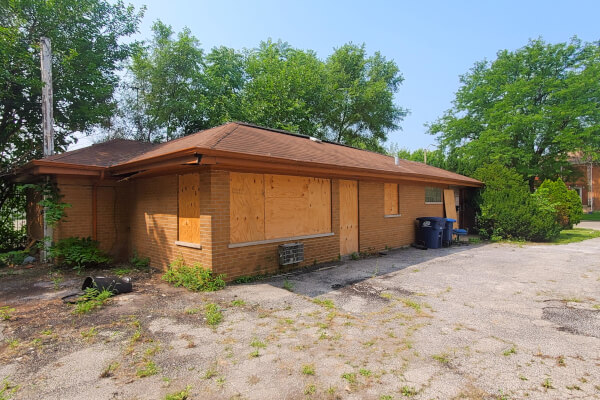
Best for homeowners facing an immediate Sheriff’s Sale date (within weeks), properties in need of significant repairs, or those who want a private, “as-is” transition without showings.
- Goal: Speed and Convenience
- Process: We can facilitate a quick, cash offer from our vetted network of trusted investors.
- Benefits: Close in 7-21 days, skip all repairs, no cleanout, quick way to turn the house into cash for the estate.
Maximized Market Sale
Best for homeowners in the early stages of foreclosure (Notice of Default/Lis Pendens) or those who realize they are in danger of falling behind and want to protect their equity before the bank starts the clock.
- Goal: Maximize your check at closing before the bank takes your equity.
- Process: We target high-intent buyers while we manage your lender’s legal timeline.
- Benefits: Keeps more money in your pocket than a quick cash offer and stops the foreclosure clock before a judgment is entered against you.

Don’t Delay, Take Action Today!
Don’t let the bank take your hard earned equity. We’ll help you determine the best path forward. Whether you prefer a Fast Cash Sale or a Maximized Market Sale, find out how much your house could sell for.
What Happens if You Owe More Than the House is Worth?
One of the biggest questions homeowners ask is: “Can I still sell if I don’t have enough equity to pay off the bank?” The answer depends on your specific situation. Regardless of whether you choose a cash offer or a market sale, your options vary based on your current mortgage balance, and whether or not you are at risk for a Deficiency Judgment.

Pre-foreclosure Sale: When You Have Equity
If your home is worth more than you owe, the process is straightforward. We sell the property, the mortgage is paid off at closing, and you keep the remaining proceeds. This allows you to protect your equity and avoid the risk of the property being sold at a Sheriff’s Sale.
Short Sale: When Your Mortgage is Underwater
If you owe the bank more than the home is worth, you can still sell, but it requires a Short Sale. This is a pre-foreclosure sale where the lender agrees to accept the sale price as payment in full, even if it’s less than the total debt.
A Short Sale should be urgently considered if you:
- Can not qualify for refinancing or a loan modification.
- Are experiencing long-term financial hardship.
- Are behind on your mortgage payments.
- Owe more than your home is worth in today’s market.
However, not all short sales fully protect the homeowner unless one critical step is handled correctly.

The Deficiency Waiver: What Protects You After the Sale
In Illinois, when a home sells for less than the total debt, the lender may still have the right to pursue a deficiency judgment – meaning they could sue you for the remaining balance.
That’s why the most important part of any Illinois Short Sale is securing a Deficiency Waiver in writing.
As Certified Distressed Property Experts (CDPEs), our role is to negotiate directly with the lender to ensure the short sale approval includes a written deficiency waiver. This document legally confirms that the lender accepts the sale as full satisfaction of the debt, preventing any future collection or lawsuit after closing.

Wondering how much equity you have?
Don’t wait for the bank to decide. Get a Confidential Equity Analysis to see how much cash you can walk away with!
Other Options to Avoid Foreclosure in Illinois

Loan Reinstatement
In Illinois you have a legal right to reinstate your mortgage, allowing you to stop foreclosure by paying only the missed payments, fees, and costs within 90 days of being served the foreclosure lawsuit summons.
Refinancing
If you have enough equity in your home you can try to refinance the loan. Please note that, refinancing when you are in foreclosure is difficult and you may end up paying higher interest rate and high loan charges.
Loan Modification
You may qualify for a federal or local government program that gives struggling homeowners the opportunity to modify their loan. A loan modification changes the terms of your mortgage loan. The goal is to make your loan more affordable so you can bring it up to date.
Forebearance
Forbearance sometimes may refer to a repayment plan. But, in general it is an agreement between the homeowner and the mortgage company where you make lower payments (or no payments) for a certain period of time. Please note that you still owe the full amount plus accrued interest, which must be repaid later through various methods like a lump sum, repayment plan, or adding to the loan balance.

Bankruptcy
Filing for bankruptcy triggers an “Automatic Stay,” which is a powerful legal injunction that immediately halts any foreclosure action or Sheriff’s Sale.
- Chapter 7 can delay a sale for a few months, giving you extra time to move, but it rarely saves the home long-term if you can’t pay the arrears.
- Chapter 13 is the most common for homeowners because it allows you to create a 3-to-5-year plan to pay back your missed payments and keep the house.
Deed in Lieu of Foreclosure
This is essentially “handing the keys back to the bank.” You voluntarily transfer the title to the lender to satisfy the debt. It is usually faster than a short sale, but most lenders will only consider it if there are no other liens on the property and you have already tried to sell it unsuccessfully.
While these paths exist, they often require months of paperwork and legal fees with no guarantee of success. If a loan modification is denied or a bankruptcy only delays the inevitable, you may find yourself with even less time to save your equity. This is where a strategic sale becomes your most powerful tool.

The RE/MAX Advantage: Expert Strategies to Stop Foreclosure
Choosing an experienced RE/MAX professional can be the difference between losing your home to the bank and walking away with your financial future intact. We provide a confidential, no-obligation review to determine your equity and stop the foreclosure clock.
Foreclosure Timeline & Equity Strategy
We pinpoint your exact deadlines by reviewing your Lis Pendens or Notice of Default. You receive a clear, step-by-step action plan designed to protect your credit and identify the fastest way to stop foreclosure based on your specific court date.
Pre-foreclosure Sale (For Homes with Equity)
If your home has equity, selling before foreclosure allows you to preserve that equity rather than lose it at auction. Our Accelerated Marketing Plan targets both qualified retail buyers and vetted Illinois cash investors, helping generate strong offers up to 2× faster than the market average – so you can close before the foreclosure sale deadline.
Expert Short Sale Negotiation (For Underwater Homes)
If you owe more than your home is worth, we manage the entire Short Sale process to avoid foreclosure. As Illinois foreclosure specialists, we negotiate directly with your lender to secure a full deficiency waiver – allowing you to walk away 100% debt-free.
WHAT MAKES US DIFFERENT
Why Illinois Homeowners Trust Us to Sell Before Foreclosure
Not all real estate agents understand the high-stakes timeline of an Illinois judicial foreclosure. Here is how our specialized approach protects your future:

Testimonials
What Our Clients Say


Bobby here is the man. So stressed on selling home I could not believe how easy it was. Had so much help with getting the home ready for sale and how fast it sold. Not only that but to sell it for more than i was originally asking.
Ryan M.
Elmwood Park, IL

I was weeks away from a Sheriff’s Sale and felt completely paralyzed. I had spoken to those ‘cash for houses’ investors, but their offers were insulting. Bobby stepped in, explained the Illinois foreclosure timeline clearly, and executed a strategy that got my home sold and closed before the auction date. I didn’t just avoid foreclosure; I walked away with a check in my pocket. Bobby is a true professional who actually cares about your outcome.
Marcus R.
Schaumburg, IL

We had a very complicated situation involving a pending auction date, and Bobby moved mountains to find a buyer and close the deal in record time. He understands the Illinois foreclosure deadlines better than anyone and he works tirelessly for his clients’ best interests.
Lena V.
Chicago, IL
WhY CHOOSE US
Your Trusted Chicago Area Foreclosure Real Estate Agent
Your Privacy is Our Priority. We understand that financial challenges are personal. Our consultations are 100% confidential. We don’t use high-pressure sales tactics. We focus on professional strategies to protect your equity and your reputation.

Certified Distressed Property Experts
Demonstrated expertise and commitment to the field.

Deep Local Market Knowledge
In-depth knowledge of Chicago’s neighborhoods and market trends.

Compassionate and Supportive Team
Dedicated to guiding you through a challenging time
FAQ
People Also Ask: Stopping Foreclosure in Illinois
Can I sell my house if I’ve already received a foreclosure summons?
Yes. In Illinois, you own your home until the court confirms a Sheriff’s Sale. You can sell your property at any point during the process to pay off the debt and preserve your equity.
How long do I have to move out after a foreclosure sale?
Typically, you have 30 days after a judge confirms the sale of the property. However, by acting early and choosing a strategic sale, you can often negotiate more time or a “Cash for Keys” agreement.
What is the difference between Reinstatement and Redemption?
Reinstatement is your right to pay only the missed payments and fees to bring the loan current (usually available for 90 days after being served).
Redemption is your right to pay the entire loan balance to own the home free and clear (available for 7 months after service).
Will a Short Sale stop the foreclosure process?
Yes. If the bank approves a Short Sale, they agree to halt the foreclosure proceedings to allow the sale to close. This is often the best way to avoid a foreclosure judgment on your credit report.
What happens if my house sells for less than I owe?
In Illinois, a lender can pursue a Deficiency Judgment for the difference. Part of our specialized service is negotiating a Full Deficiency Waiver, ensuring the bank cannot come after you for more money after the sale.
Don’t Wait Until the Auction Date. Get Help Now!
Serving Homeowners Throughout Illinois, including Chicago, Mount Prospect, Elmhurst, Lake Bluff, and anywhere in Cook, DuPage, and Lake County areas.
Contact Us today for a Free, No-obligation Consultation