
Inherited Home Sale in Buffalo Grove, IL
How We Helped an Out-of-State Administrator Beat Low-Ball Offers by $74,000
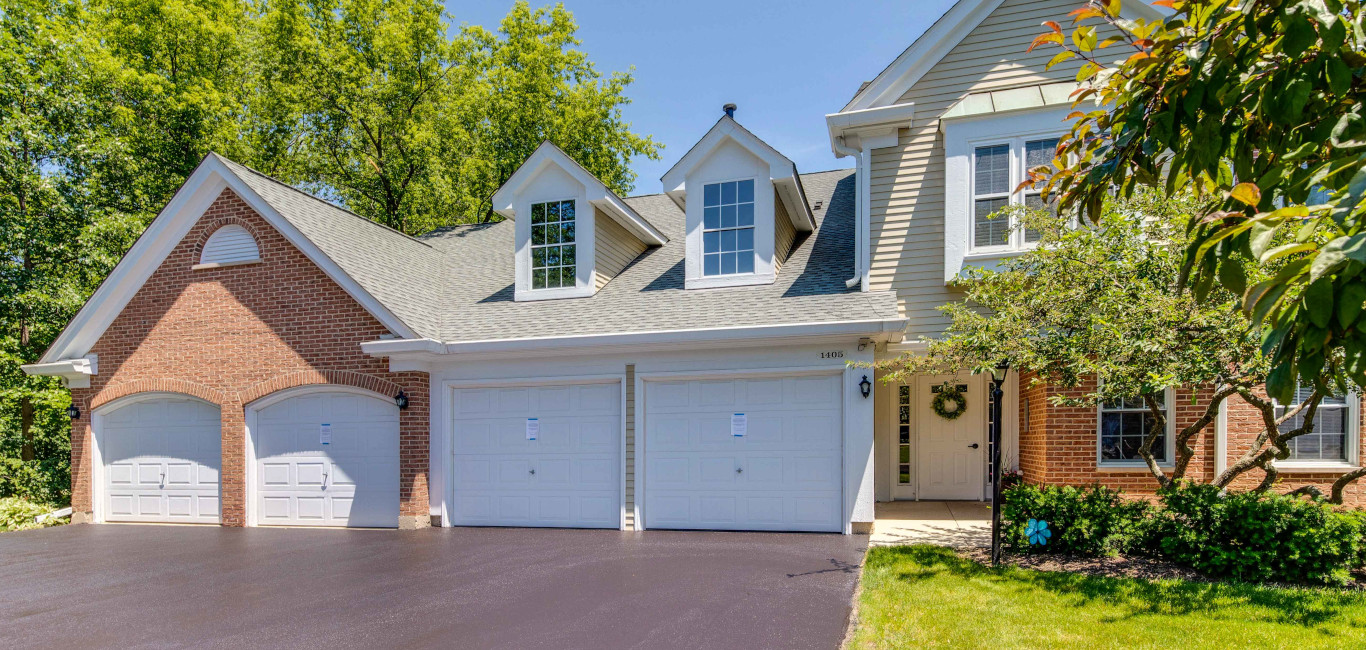
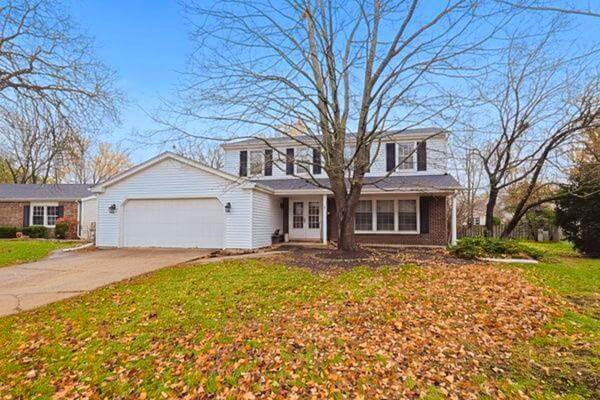
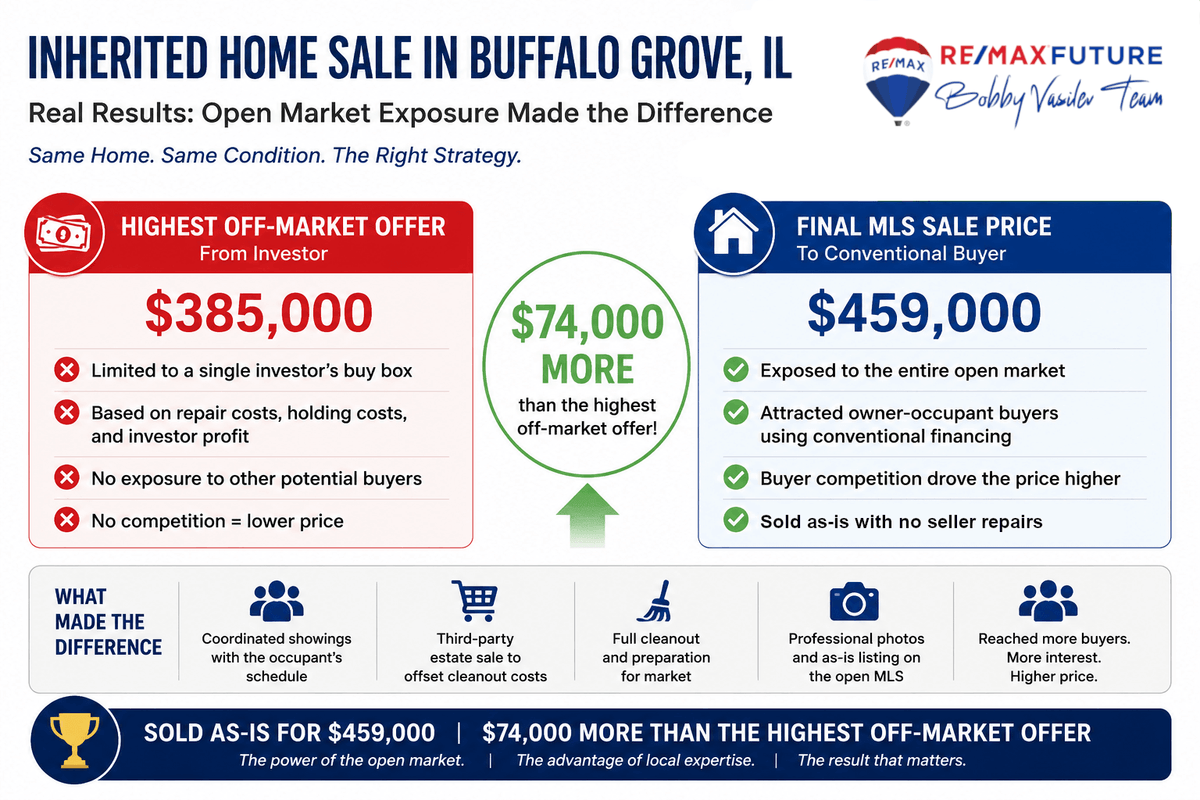
A two-story home in Buffalo Grove, Cook County, Illinois came to us with a problem that is more common than most people realize: the administrator of the estate was in Bloomington, Indiana, a relative was still in the process of moving out, and the family had already fielded several off-market offers that felt insultingly low. The highest of those offers was $385,000.
They believed the property was worth more, but with a relative still moving out and no one on the ground in Illinois, they had no practical way to prepare the home, coordinate showings, or expose it to the broad pool of buyers that ultimately drives higher prices. We coordinated the relative’s move-out, arranged a third-party estate sale to offset cleanout costs, and listed the home as-is on the open MLS. A conventional loan buyer made an offer within five days.
The home sold as-is for $459,000, a staggering $74,000 above what the estate had nearly accepted. The administrator never drove to Illinois.
The Challenges Faced by the Administrator
Low Off-Market Offers and the Challenge of Reaching More Buyers
Before reaching out to us, the administrator managing this Buffalo Grove estate had already received several unsolicited off-market offers. The highest offer was $385,000, but the family believed the property was worth more. The challenge was not simply rejecting low offers. From Bloomington, Indiana, the administrator needed a practical way to explore all available selling options. A relative was still in the process of moving out, the home was cluttered, and coordinating access for showings from out of state was nearly impossible. Without a plan to address those issues and prepare the property for the open market, attracting a broader pool of buyers and achieving a higher sale price would have been difficult.
A Relative Still in the Process of Moving Out
A relative was still living in the home and in the process of moving out when we became involved. There was no conflict, but there was no firm timeline either. The administrator needed someone local who could maintain a cooperative relationship, coordinate access for showings, and keep the sale moving without creating unnecessary stress for the occupant or the family.
A Dated, Cluttered Home That Needed to Be Cleared Before Listing
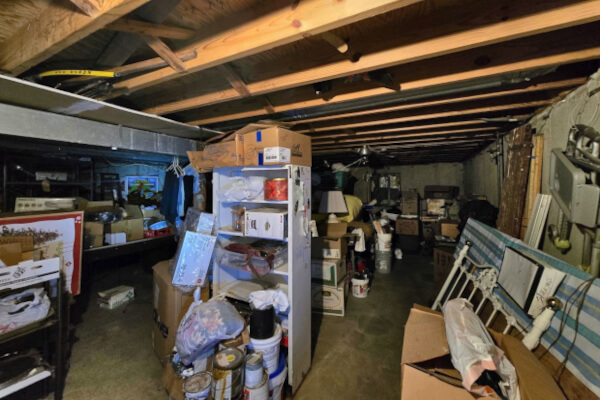
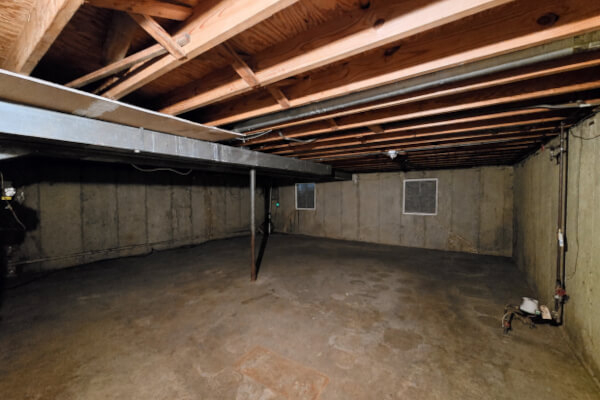
The property reflected years of accumulated belongings. The home was functional and structurally sound, but dated and cluttered, and it could not be properly photographed or shown to buyers in its current state. Coordinating a cleanout remotely, while a relative was still living there, required careful sequencing and local coordination that the administrator in Indiana could not manage alone.
OUR SOLUTION
How We Made It a No-Touch Experience

The RE/MAX Advantage

Working Around the Occupant’s Schedule.
A relative was still living in the home and in the process of moving out when we became involved. Rather than forcing an arbitrary timeline, we coordinated showings around his schedule to keep the process cooperative and minimize disruption. At the same time, we helped identify and separate the belongings he wished to keep before bringing in a third-party estate sale company. After the sale, he had the opportunity to review any remaining items before the final cleanout was completed. Maintaining that cooperation allowed the home to be prepared, shown, and sold without delays or conflict.
Third-Party Estate Sale Coordination.
We brought in a vetted third-party estate sale company to manage the personal property left behind. The goal of an estate sale in a situation like this is rarely about generating significant income. It is about transforming a home filled with personal belongings into a clean, market-ready property without the estate absorbing the full cost of a cleanout out of pocket. A well-run estate sale can significantly reduce or eliminate that cost entirely. That is exactly what happened here.
Full Property Cleanout.
After the estate sale concluded, we coordinated a complete cleanout of all remaining items. Nothing was left for the administrator to arrange from Indiana. The property was clear, cleaned, and ready for photography without the administrator ever having to leave home.
Open Market MLS As-Is Listing
Once the home was listed on the open MLS, it became visible to the entire marketplace, including owner-occupant buyers using conventional financing. Selling as-is did not limit the buyer pool. It simply meant the estate was not making repairs. By exposing the property to the open market rather than a handful of investors, the estate created competition and ultimately achieved a much higher sale price.
THE RESULT
Open Market MLS As-Is Sale, $74,000 Above the Highest Off-Market Offer
The Buffalo Grove listing drew an offer within five days of hitting the MLS. The buyer used a conventional loan. The home sold as-is, with no repair contingencies and no seller concessions. The final sale price was $459,000 or $74,000 above the $385,000 the estate had nearly accepted from an off-market buyer.
Administrator never had to drive to Illinois
- Sold as-is on the open MLS market
- Conventional loan buyer
- Under contract in 5 days
- Final sale price: $459,000
- Highest off-market offer received before listing: $385,000
- $74,000 gross increase over the highest off-market offer
- Estate and heirs pocketed over $50,000 more in net proceeds even after closing costs and commission
- Zero out-of-pocket repair or cleanout costs for the estate
- Administrator never had to drive to Illinois
That $74,000 gross gap is the clearest illustration of what access to the open MLS and a properly managed pre-listing process can deliver. Even after accounting for closing costs and commission, the estate and heirs walked away with more than $50,000 in additional net proceeds compared to what they would have received from the highest off-market offer. Off-market buyers are typically investors whose offers account for holding costs, renovation expenses, market risk, and their expected profit margin. Those factors are reflected in the purchase price. Once the home was prepared and listed on the open MLS, financed owner-occupant buyers competed for it based on its actual merits, and the estate captured the resulting increase in value.
Testimonials
Client Spotlight

Bobby did an amazing job for us. We were in Indiana and the house was in Chicago and it went smooth as can be. Bobby crossed all the T’s and dotted all the I’s for us made it super simple. Highly recommend his services.
Chad J.
Buffalo Grove, Cook County, IL
THE LESSON
What Other Inherited Home Sellers Can Learn from This Sale
Why Many Off-Market Offers on Inherited Homes Fall Below Market Value
Off-market buyers are typically investors. Their offers account for repair costs, holding costs, market risk, and the profit margin required to renovate and resell the property. There is nothing inherently wrong with that business model. But heirs and estate administrators should understand that these factors are reflected in the purchase price. By preparing the home and exposing it to the open MLS, estates often attract owner-occupant buyers who compete based on the home’s location and livability rather than solely its investment potential.
Holding An Estate Sale Is Not About Generating Income
In most inherited property situations involving a furnished home, the purpose of an estate sale is to clear out a lifelong of personal belongings, without the estate paying full cleanout costs out of pocket. The proceeds offset the cleanout bill. That is the transaction that matters most — not the dollar value of individual items that sell.
A Relative Still Living in the Property Does Not Have to Be an Obstacle
It requires sensitivity and a clear plan, but when occupants understand that the process is being designed around their needs and timeline, cooperation almost always follows. Treating that person as a partner rather than a complication is not just the right approach — it is the faster one.
As-Is on the Open MLS Is Not the Same as a Distressed Property Sale
A dated, cluttered home in a well-located Buffalo Grove neighborhood sold to a conventional loan buyer for $459,000 as-is. The condition of the home describes what the estate will and will not do before closing. It does not cap what the property can sell for on the open market.
FAQ
Common Questions Other Sellers Often Ask
We received low off-market offers on our inherited house. Should we just accept one?
Not before understanding what the property could bring on the open market. A smart seller gathers all the facts before making a decision, especially when tens of thousands of dollars may be at stake. Investor offers are often based on renovation costs, holding expenses, market risk, and expected profit. That doesn’t make them bad offers, but it does mean they are usually discounted. Before accepting one, it’s worth finding out what the broader market might pay. In this Buffalo Grove sale, that difference amounted to $74,000 in gross sale price and more than $50,000 in additional net proceeds.
Why are investors offering so much less than market value for inherited houses?
Investors typically factor renovation costs, holding costs, carrying expenses, and their required profit margin into the price they are willing to pay. Depending on the condition of the home and local market conditions, listing an inherited property on the open MLS may expose it to owner-occupant buyers and create competition that can result in a higher sale price.
Can an inherited home in Illinois sell as-is to a conventional loan buyer?
Yes, in most cases. Conventional loans do not carry the same property condition requirements as FHA or VA loans. As long as the home is structurally sound and functional, a conventional buyer can purchase it as-is. The as-is designation simply means the estate is not agreeing to make repairs before closing. Cash purchases and hard money loans are also options, particularly for buyers planning to renovate, but they are not the only options and often come with lower offer prices.
How do I sell an inherited home in Illinois when a relative is still living there?
The key is communication and a respectful, clearly defined process. Most relatives living in an inherited property are not trying to block a sale. They need reasonable accommodations: time to separate their personal belongings, a realistic moving timeline, and confidence that their needs are being considered. When those things are addressed upfront, cooperation almost always follows. If a relative is actively refusing to vacate and holds no legal claim to the property, Illinois law provides options for the estate to regain possession, but that path is slower and more expensive than a cooperative approach.* Wrong advice is probably the main reason many inherited home seller think their only option is a low-ball off-market cash offer!
Should I make repairs before selling an inherited home?
Not necessarily. Before spending money on repairs, determine whether the expected increase in value justifies the cost, time, and risk involved. Many inherited properties sell successfully as-is when they are properly prepared, marketed, and exposed to the open market. The best strategy depends on the property’s condition and your specific goals.
Ready to Talk About Your Inherited Property in Buffalo Grove or Cook County?
If you are managing an inherited property in Buffalo Grove, Cook County, Lake County, DuPage County, or anywhere in the Chicago area, and are trying to decide between accepting an off-market offer or listing the home on the open market, let’s talk first.