



Probate in Illinois typically takes 6 to 12 months for a simple, uncontested estate. Estates involving real estate sales, unresolved debts, or family disputes often take 18 to 24 months or longer. The single biggest factor behind that minimum window isn’t court speed – it’s Illinois’ mandatory 6-month creditor claim period, which applies to nearly every probate case and sets a legal minimum on how quickly an estate can close.
Realtor Pro Tip: You do not need to wait 12 months to sell the house. In Illinois executors and administrators can sell the property as soon as ‘Letters of Office’ are issued, stopping the property taxes, utilities, and insurance from draining the estate every month it sits unsold.

Table of Contents
- Illinois Probate Timeline at a Glance
- What is Probate?
- 2025 Illinois Update: Small Estate Affidavit Changes
- Step-by-Step Probate Timeline in Illinois
- How Selling Inherited Property Affects the Timeline
- What Usually Causes Delays in the Illinois Probate Process?
- Can Probate Be Completed Faster in Illinois?
- Local Illinois Probate Court Resources
- Final Thoughts
- FAQs About Probate Timeline in Illinois
Illinois Probate Timeline at a Glance
| Estate Type | Estimated Probate Duration |
|---|---|
| Simple estate, no disputes | 6 to 12 months |
| Moderate estate, some debts | 12 to 18 months |
| Complex estate, disputes | 18 to 24+ months |
Key point: Even a perfectly organized estate cannot close before the creditor claim period expires. Six months is the absolute floor for formal Illinois probate, regardless of how prepared the fiduciary is.
What is Probate?
Probate is the court-supervised legal process of validating a deceased person’s will, identifying their assets, paying off outstanding debts, and distributing the remaining estate to heirs. In Illinois, this process ensures that all creditors are paid before property officially changes hands.
2025 Illinois Update: Small Estate Affidavit Changes
Effective August 15, 2025, Illinois Public Act 104-0346 updated the Probate Act of 1975 (755 ILCS 5/25-1) to streamline smaller estates.
| Before Aug 15,2025 | After Aug 15, 2025 | |
|---|---|---|
| Small Estate Limit | $100,000 | $150,000 |
| Vehicle Exclusion | Counted toward limit | Excluded – do not count vehicle value |
| Real Estate Included | No | No (no change) |
What didn’t change: the affidavit applies only to personal property. Real estate still requires formal probate unless it’s held in a trust, joint tenancy, or passes via a Transfer on Death Instrument. (Full breakdown of eligibility and the step-by-step affidavit process: see our Illinois Small Estate Affidavit guide.)
Step-by-Step Probate Timeline in Illinois
1. Filing the Probate Petition (1 to 4 months)
Probate starts when the executor named in the will, or an interested family member if there’s no will, files a petition with the Circuit Court in the county where the deceased resided (Cook, DuPage, Lake, etc.). The court must validate the will and formally open the estate before any authority is granted.

Why this step takes time:
- Court backlogs can delay initial hearings for weeks to months. This is particularly true in highly populated areas – for instance, the Cook County Probate Division is one of the busiest in the country, often moving slower than DuPage, Lake or the surrounding collar counties.
- If the will is contested, the process can take longer.
2. Appointing an Executor or Administrator
Once you file the petition, the court will appoint a fiduciary or in layman’s terms the person responsible for managing the estate throughout the probate process.
- Administrator – named by the court when there’s no will (receives Letters of Administration)
- Executor – the person named in the will (receives Letters Testamentary)
3. Notifying Heirs and Creditors – the Mandatory 6-Month Period (2 to 6 months)
Once appointed, the fiduciary must notify all heirs and potential creditors. Illinois law (755 ILCS 5/18-3) requires a legal notice published in a local newspaper within 2 months, after which creditors have at least 6 months from that publication date to submit claims. Final distributions cannot legally happen before this period ends. This single requirement is why most Illinois probate cases run close to a year even when everything else goes smoothly.
4. Inventory and Asset Valuation (2 to 6 months)
The probate administrator or executor must locate, document, and appraise all assets in the estate, including real estate, bank accounts, investments, valuables, and personal property.

Delays often happen if:
- Financial records are missing.
- Professional appraisals are required (especially for real estate or businesses).
For estates with multiple properties or business assets, this step can add months to the process.
5. Paying Debts, Taxes, and Expenses (6 to 12 months)
Before beneficiaries receive anything, the fiduciary settles all valid claims – funeral expenses, medical bills, mortgages, property taxes, administration costs, and any required state or federal estate taxes. Disputed creditor claims can lead to legal battles and can extend the process by several months to over a year.
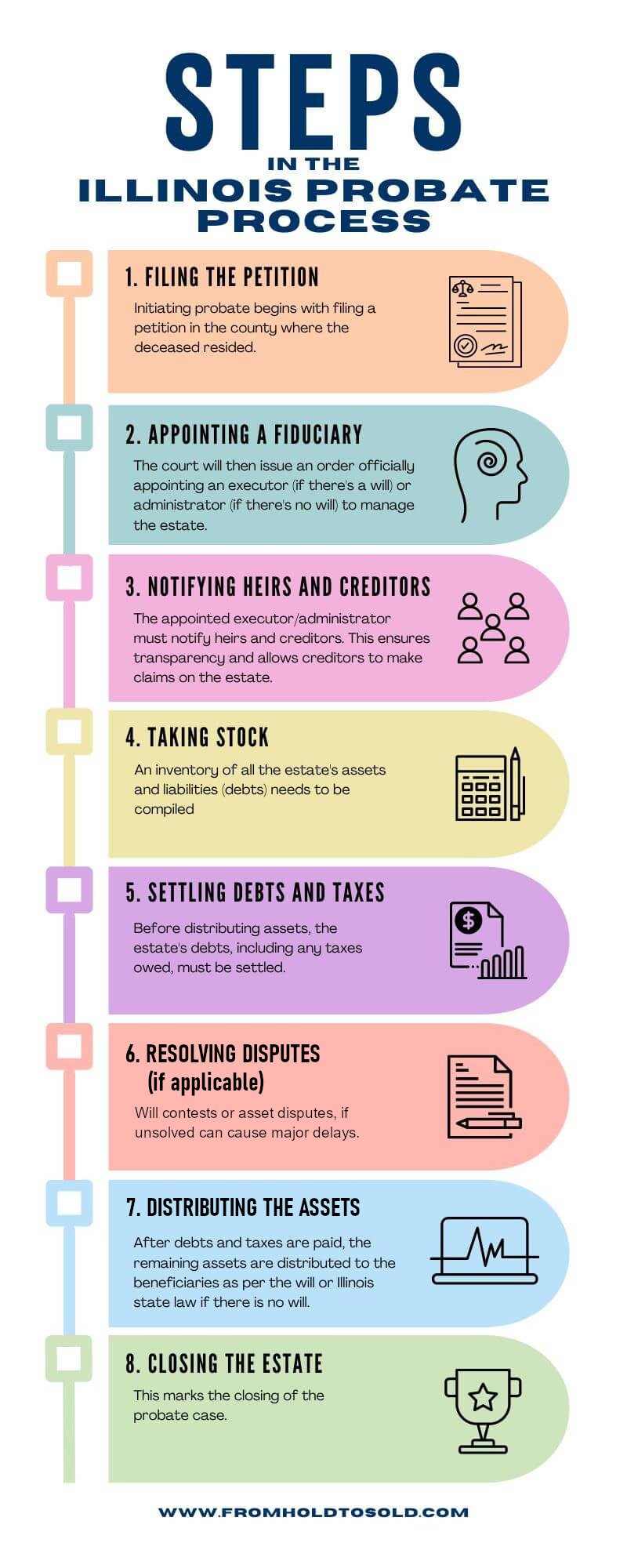
6. Resolving Disputes (6+ months to several years, if applicable)
If heirs contest the will’s validity, disagree over distribution, or challenge the fiduciary’s handling of assets, the case can move into litigation – adding months or years and significant legal cost.
7. Final Accounting, Distribution, and Closing the Estate (1 to 3 months)
Once debts are paid, the executor submits a final accounting to the court for approval. After approval, remaining assets are distributed to heirs, and the court officially closes probate.
Delays in this step happen if:
- The court requires additional review or hearings before approving the final distribution.
- The estate includes real estate that must be sold before closing probate.
How Selling Inherited Property Affects the Timeline
Selling a home is often the single biggest source of delay in Illinois probate — and your authority to sell depends on the type of administration the court grants:
- Independent Administration – the executor can list and sell the property without seeking court approval at every step. This is the fastest path to a sale.
- Supervised Administration – the judge must approve the listing price and the final sales contract, which can add weeks or months of hearings.
Until the court validates the representative’s authority to sign, the property’s title is effectively frozen or what’s sometimes called a “title lock.” Common complications like Cook County tax liens or heir disagreements can turn a 6-month probate into a year-long process.
You do not have to wait until the estate fully closes to sell. Once Letters of Office are issued, the fiduciary can typically list and sell the property while the rest of the estate administration continues, avoiding months of unnecessary holding costs (taxes, insurance, utilities) that come out of the estate either way.
An unsolicited cash offer can close in as little as 1 to 2 weeks, which appeals to estates facing immediate debt or wanting a fast, hands-off settlement. But these offers are priced to cover the buyer’s holding costs, repair risk, and required profit margin, so they typically land well below what the property would bring on the open market.
Listing with an agent on the open market takes a little longer, but exposes the property to competing buyers instead of a single investor’s offer. For most estates, that competition is what actually determines the final number heirs receive, and it’s why an open-market sale tends to net more even after commission and the extra weeks on market.
What Usually Causes Delays in the Illinois Probate Process?
Several common bottlenecks can stretch the timeline to 18 months or more. In our experience working with Illinois families, these are the primary culprits:
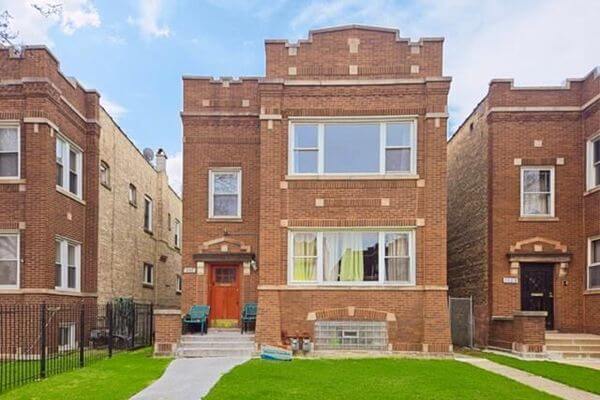
- Unsold Real Estate: This is the #1 reason probate cases remain open in Cook, Lake, and DuPage counties. An estate cannot be closed until the property is either sold or legally transferred. If a house is sitting vacant, in disrepair, or struggling to sell on the market, the entire legal process grinds to a halt.
- Court Backlogs: Highly populated areas like Cook County often face significant scheduling delays. It can take weeks, sometimes months, just to get a court date for initial “Letters of Office” or the final discharge.
- Missing or Incomplete Documentation: A single missing signature on a petition or an outdated address for a distant heir can cause a judge to continue the case to a later date, adding 4–8 weeks of delay instantly.
- Challenges to the Will: If an heir contests the validity of the will (citing “undue influence” or “lack of capacity”), the process can move into litigation. This can add years to the timeline and thousands in legal fees.
- Complex Asset Valuation: Estates with businesses, multiple rental properties, or unique collectibles require professional appraisals. In Illinois, coordinating these valuations can take 2–4 months before the “Inventory” can even be filed.
- Unresolved Creditor Disputes: While the 6-month window is standard, if a creditor files a claim and the executor disputes it, the case must remain open until a judge rules on the validity of that debt.
Can Probate Be Completed Faster in Illinois?
Yes! Certain estates qualify for a faster probate process in Illinois:
- Independent Administration: If all heirs agree, the executor can settle the estate with minimal court involvement, allowing more flexibility, reducing delays.
- Small Estate Affidavit: If the estate is worth less than $150,000 and has no real estate, heirs may bypass probate entirely. (See 755 ILCS 5/25-1)
- Avoiding Probate with a Living Trust: If the deceased placed assets in a living trust, they pass directly to beneficiaries without probate.
Local Illinois Probate Court Resources

Cook County (Chicago & Suburbs)
- Court Location: Richard J. Daley Center, 50 W. Washington St., 18th Floor, Chicago, IL 60602.
- Official Resource: Cook County Probate Division
- Common Forms: Probate Court Forms Hub (Search for “Probate” to find petitions, oaths, and bonds).
DuPage County
- Court Location: 505 N. County Farm Rd., Wheaton, IL 60187.
- Official Resource: DuPage County Probate & Guardianship
- Common Forms: DuPage Probate Forms Download (Access standard petitions and accounting reports).
Lake County
- Court Location: 18 N. County St., Waukegan, IL 60085.
- Official Resource: Lake County Probate Court
- Self-Help: Lake County Probate Handbook (PDF)
Statewide Simplified Tools
- Small Estate Affidavit: If the estate is under $150,000 (as of the 2025 update) and contains no real estate, you may be able to use the Illinois Small Estate Affidavit Easy Form.
- E-Filing Information: Most Illinois probate filings must be done electronically via eFileIL.
FAQs About Probate Timeline in Illinois
How long does probate take in Cook County, Illinois?
Due to the volume of cases handled by the Cook County Probate Division at the Richard J. Daley Center in Chicago, the probate timeline often leans toward the longer end (12–18 months for a moderate estate). Uncontested cases still face the mandatory 6-month creditor period, plus some added delay in scheduling hearings.
Is the probate faster in DuPage County or Lake County, IL?
DuPage County and Lake County probate courts generally have slightly less congestion than Cook County. This means that if your estate is simple and uncontested, you may experience a quicker start to the process, potentially keeping your timeline closer to the 6-to-12-month range.
How long does probate take with a will? Without one?
With a valid, uncontested will, usually 6 to 12 months. Without a will, the estate follows Illinois intestacy law, which often runs 12 to 24 months.
Do I have to wait for probate to close before selling the house?
No. Once the court issues Letters of Office, the executor or administrator typically has authority to list and sell the property while the estate is still open. Most estates sell during the process specifically to avoid the extra holding costs.
Do I need to make repairs before selling an inherited home in Illinois?
No. Inherited properties can be listed and marketed as-is. That doesn’t mean the price has to suffer for it, an experienced probate agent can price and market an as-is property to still attract competitive offers on the open market.
Final Thoughts
Most Illinois probate cases take 6 to 12 months, while estates involving disputes or real estate sales may take two years or longer. Understanding the timeline, and knowing you don’t have to wait for the property to sell it, is often what actually saves an estate the most time and money.
If you’re handling probate and need help selling an inherited home, our team can guide you through the process and help you determine the best path forward.