




Table of Contents
- What Is a Short Sale in Illinois?
- Understanding the Short Sale Process in Illinois
- How Does a Short Sale Work in Illinois?
- How Long Does a Short Sale Take?
- What Are the Advantages of a Short Sale?
- What Are the Challenges of a Short Sale?
- Can You Sell a House As-Is During a Short Sale?
- Do You Need a Realtor for a Short Sale in Illinois?
- Frequently Asked Questions About Short Sales in Illinois
- Is a Short Sale Right for You?
If you owe more on your mortgage than your Illinois home is currently worth, selling the property can be difficult. But an underwater mortgage does not necessarily mean foreclosure is your only option. An approved short sale provides a practical, legal route to sell your property, resolve your underlying debt, and protect your long-term financial recovery.
What Is a Short Sale in Illinois?
In simple terms, a short sale occurs when a home is sold for less than the total amount owed on the mortgage and the lender agrees to accept the proceeds from the sale as part of the resolution of the debt.
In a standard home sale, you must bring cash to closing if your sale proceeds do not cover your full loan payoff. In an approved short sale, the lender agrees to absorb the financial shortfall (the “shortage”), allowing you to sell the property at its fair market value without paying the full difference out-of-pocket.
Example: If your home in Cook County or DuPage County is valued at $450,000, but your total mortgage payoff is $485,000, selling conventionally would require you to bring over $35,000 (plus closing costs) to the table. In an approved short sale, the bank accepts the $450,000 purchase price to release the mortgage lien.

Understanding the Short Sale Process in Illinois
Navigating an Illinois short sale requires balancing market dynamics with lender negotiations. To successfully complete the transaction, a homeowner must fulfill specific lender requirements regarding financial eligibility, deficiency liability, and title clearing.
Qualifying for a Short Sale – Financial Hardship Requirements
To qualify for a short sale in Illinois, you must prove a verifiable financial hardship that renders you unable to continue making your mortgage payments. Lenders will not approve a short sale simply because property values have declined in your area.
Your mortgage servicer will evaluate your overall financial situation. Common qualifying hardships include:
- A significant drop in income, job loss or unemployment
- A divorce or legal separation
- Severe medical expenses or long-term disability
- The death of a primary household income earner
- An involuntary job relocation or transfer
Your servicer will require a complete loss mitigation package containing tax returns, bank statements, pay stubs, and a detailed Hardship Letter. If you have significant liquid assets or savings, the lender may expect a financial contribution at closing rather than absorbing the full loss.
Will You Still Owe Money After an Illinois Short Sale? (The Deficiency Waiver)
Whether you walk away completely debt-free depends entirely on securing a written Deficiency Waiver in your lender’s final approval letter.
Under Illinois law (735 ILCS 5/15-1401.1), Illinois is a recourse state. When a home sells for less than the mortgage balance, the remaining unpaid debt is called the “deficiency.” Without a written deficiency waiver, the lender retains the legal right to seek a personal deficiency judgment against you to collect that remaining balance.
- Without a Deficiency Waiver: The lender permits the short sale so the property can transfer to the buyer, but retains the right to sue you personally for the balance later.
- With a Full Deficiency Waiver: The lender explicitly agrees in writing to accept the sale proceeds as full and final satisfaction of the debt, waiving all future rights to pursue you for the shortfall.

As specialists in distressed property transactions, securing an express written deficiency waiver is our primary goal during lender negotiations. Before moving forward, it is critical to thoroughly review your lender’s approval letter so you fully understand all terms, conditions, and potential financial obligations before closing.
What Happens to Property Taxes, Liens, and Other Debts?
Before an Illinois short sale can close, all recorded claims, property tax arrears, and municipal liens against the title must be formally resolved.
A short sale involves reviewing all financial obligations attached to the property, including:
- Primary mortgage payoff balances
- Second mortgages or Home Equity Lines of Credit (HELOCs)
- Delinquent real estate property taxes
- Past-due HOA or condominium assessments
- Recorded municipal, mechanics, or judgment liens
Your title company and real estate team will identify all outstanding claims against the property. Prior to closing, each lienholder must agree to the transaction and issue a formal release of their lien in exchange for a negotiated payoff amount from the sale proceeds.
How Does a Short Sale Work in Illinois?
A short sale involves more steps than a typical home sale because the mortgage lender has to approve accepting less than the amount owed.
1. Determine the Home’s Current Market Value
The process begins with an accurate assessment of what the property is worth in today’s local market. Your lender will require proof that the purchase offer reflects true fair market value through a Broker Price Opinion (BPO) or an independent appraisal.
2. List and Market the Property
The home is listed on the local Multiple Listing Service (MLS) and marketed to buyers just like a standard sale. Public exposure is essential because mortgage servicers require evidence that the property was openly marketed to verify the purchase offer represents a genuine, arm’s-length transaction.
3. Review and Accept a Buyer’s Offer
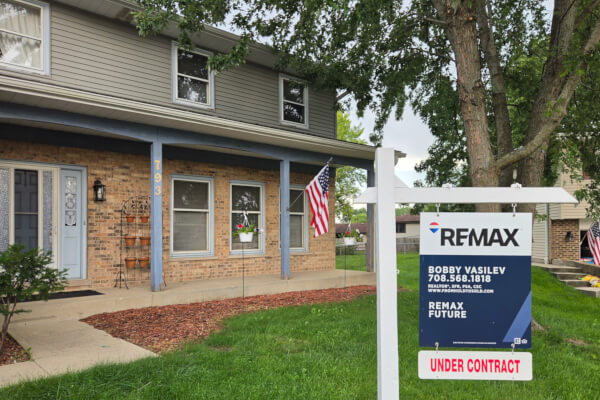
When a buyer submits an acceptable offer, you sign a purchase contract that includes a specific short sale contingency clause. This clause states that the sale is strictly contingent upon your mortgage lender reviewing and approving the financial terms.
4. Submit the Short Sale Package to the Lender
Once an offer is accepted, your agent submits the complete file to your mortgage servicer. This submission includes the signed contract, proof of buyer funds, a title commitment, and your full financial hardship package.
5. Receive the Lender’s Written Approval
If the lender approves the terms, they will issue an official Short Sale Approval Letter. This document details the exact conditions of the sale, including the approved purchase price, allowable closing fees, closing deadline, and the clear written release of any remaining debt balance.
6. Close the Sale
When all conditions are met, the sale closes through the title company. The purchase funds are disbursed directly to your lender according to the approval letter, your mortgage lien is formally released, and the property transfers cleanly to the buyer.
How Long Does a Short Sale Take?
There is no single timeline that applies to every short sale. An Illinois short sale generally takes between 60 and 120 days from the time an executed purchase offer is submitted to your mortgage lender.
The exact timeline varies depending on several procedural factors:
- The processing speed and workload of your servicer’s loss mitigation department.
- How quickly you collect and submit your financial hardship documentation.
- Whether secondary mortgages, HELOCs, or tax liens must be negotiated separately.
- The patience and flexibility of the buyer during the bank review period.
Because Illinois is a judicial foreclosure state, pursuing a short sale does not automatically stop court proceedings. However, providing an executed purchase contract and an active short sale file to the court or lender’s attorney often provides valid grounds to request a postponement.
If you are already behind on your mortgage or facing foreclosure, timing becomes even more important. Starting the process early can provide more time to market the property, find a buyer, complete the lender’s review, and close the transaction.
What Are the Advantages of a Short Sale?
An approved short sale offers significant financial and personal advantages over allowing a property to go through full judicial foreclosure.
| Illinois Short Sale | Judicial Foreclosure | |
| Credit Impact | Typically less severe; recovers faster (2–3 years) | Severe drop (100–150+ points); stays on credit for 7 years |
| Deficiency Risk | Can negotiate full written deficiency waiver | Lender may pursue money judgment for remaining balance |
| Control of Sale | You retain title, manage showings, and select closing date | Court controls sale date; Sheriff orders forced eviction |
| Future Home Buying | Often eligible for Fannie Mae/FHA loan in 2–4 years | Typically barred from conventional loans for 7 years |
| Public Record | Handled as a standard real estate transaction | Public court record (Lis Pendens) accessible in county search |
For many homeowners, choosing a short sale provides a dignified way to exit an unsustainable financial burden while minimizing long-term credit damage. To compare this strategy against deed-in-lieu options, loan modifications, or refinancing, visit our full guide on how to stop foreclosure and sell a house in Illinois.
What Are the Challenges of a Short Sale?
While short sales are effective, they require patience and careful navigation through bank procedures. A short sale is not simply a way to sell an underwater property because you want to avoid paying the difference.
Lenders evaluate short sale requests strictly, and they must be convinced that accepting a loss is the most practical financial step based on your true circumstances. If you are financially stable and have the income or assets to continue making your payments, the lender will likely decline a short sale request.
Other common challenges include navigating lengthy bank review timelines, coordinating agreements with secondary lienholders, managing property repairs requested by buyers, and ensuring that buyers remain committed during the approval wait.
Can You Sell a House As-Is During a Short Sale?
Yes, and in fact, selling a property in as-is condition is standard practice and highly beneficial during an Illinois short sale.
Most homeowners pursuing a short sale are experiencing financial distress, meaning spending thousands of dollars out-of-pocket on home repairs, updates, or cosmetic fixes is simply impossible. Selling as-is recognizes your reality and eliminates the burden of fixing up the property.
Furthermore, an as-is sale directly addresses several major short sale challenges and increases the odds of a smooth lender approval:
- Streamlines Lender Approval: Mortgage servicers evaluate short sale files based on current fair market value determined by a BPO or appraisal in its existing condition. A clean, straight purchase contract without demands for seller credits or repair allowances gives the lender’s loss mitigation department a clear file to evaluate, drastically speeding up the approval process.
- Filters Out Unqualified Buyers: Listing as-is deters “tire-kicker” buyers who lack experience with short sales or who might demand post-inspection repair credits and renegotiated prices mid-way through bank processing. It attracts serious buyers who understand short sale mechanics and are prepared to take on property repairs themselves.
This is where having a Realtor who understands short sales can make a significant difference. An experienced agent can present the property honestly, price it appropriately for its condition, and educate potential buyers about what to expect before an offer is submitted.
Do You Need a Realtor for a Short Sale in Illinois?
You are not required to use a real estate agent to sell your property, but a short sale can involve considerably more coordination than a conventional home sale.

Working with an experienced Illinois real estate broker who specializes in short sales is essential for setting these buyer expectations, navigating strict lender guidelines, and ensuring your transaction reaches closing smoothly.
An experienced short-sale broker protects your interests by:
- Performing a precise market evaluation so the property is priced accurately to attract serious buyers while satisfying lender expectations.
- Marketing the home on the public MLS to ensure the offer meets arm’s-length standards.
- Screening prospective buyers to ensure they understand as-is terms and extended timelines before you sign a contract.
For a homeowner already dealing with financial pressure, having someone manage the real estate side of the transaction can make the process considerably easier.
Frequently Asked Questions About Short Sales in Illinois
Can I sell my house for less than I owe on the mortgage?
Yes. However, because the proceeds will not cover the full loan balance, your mortgage servicer must formally review and approve the short sale terms prior to closing.
Does a short sale mean the bank owns my house?
No. In a short sale, you are still the owner of the property and you are the seller. The lender’s role is to approve the sale accepting less than the amount owed on the mortgage.
Do I have to pay the difference between the sale price and mortgage balance?
Not necessarily. That is one of the issues the lender’s short-sale approval needs to address. Do not assume the remaining balance is automatically forgiven. If the lender agrees to waive a deficiency, make sure that agreement is documented in writing before closing.
Can I do a short sale if I am behind on my mortgage?
Yes. Being behind on payments demonstrates the financial hardship that lenders require for approval. If you are early in default, review our guide on options when behind on mortgage payments in Illinois.
Can I do a short sale after receiving foreclosure papers?
Yes. Illinois law permits short sales during judicial foreclosure proceedings However, pursuing a short sale does not automatically stop the foreclosure process, so homeowners need to pay close attention to all court and sale deadlines.
Is a short sale better than foreclosure?
For most homeowners, yes. A short sale allows you to control the selling process, reduces the credit damage compared to a foreclosure judgment, and provides an opportunity to negotiate a full release from remaining mortgage debt.
Is a Short Sale Right for You?
If your Illinois home is worth less than the amount you owe, a short sale may give you a way to sell the property without paying the entire mortgage balance at closing. But the numbers alone do not determine whether a short sale will work.
Your financial hardship, property value, mortgage balance, liens, lender requirements, and the terms of the lender’s approval all matter.
If you are considering a short sale, we can help you evaluate the property, determine whether a sale is realistic, market the home, and coordinate the real estate side of the transaction through the lender approval process.